
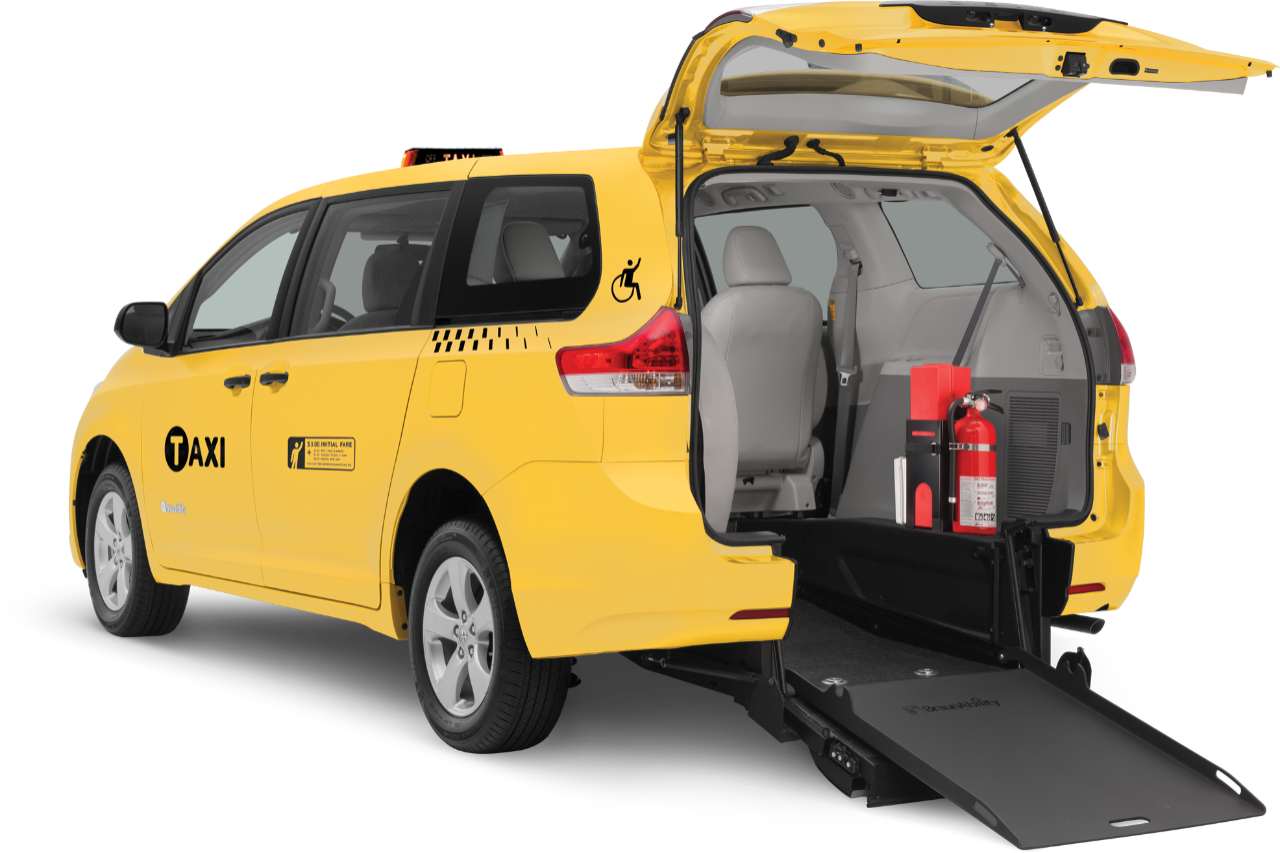
As the world becomes more focused on inclusivity and equal access for all, one of the most critical areas of improvement remains transportation for individuals with disabilities. For many people with mobility challenges, the ability to travel easily and independently is essential for their quality of life. While public transportation systems have made progress, wheelchair-friendly taxis provide an invaluable service for those who need a more personalized and accessible mode of transportation. 復康車.
Wheelchair-friendly taxis, specially designed for passengers who use wheelchairs or other mobility aids, are transforming how people with disabilities navigate urban environments. These taxis play a vital role in ensuring that mobility challenges don’t impede social participation, work opportunities, or access to essential services.
What Are Wheelchair-Friendly Taxis?
A wheelchair-friendly taxi is a vehicle equipped with specific modifications to accommodate passengers who use wheelchairs. These modifications typically include ramps or lifts, spacious interiors, and securement systems designed to safely transport wheelchairs and their users. Unlike regular taxis, which may require passengers to transfer from their wheelchair to a seat inside the vehicle, wheelchair-friendly taxis allow individuals to remain seated in their wheelchair for the duration of the journey, ensuring both comfort and safety.
The goal of these taxis is to provide reliable, safe, and convenient transportation for people who experience mobility challenges, thus enabling them to travel independently without relying on friends, family, or specialized transport services.
Key Features of Wheelchair-Friendly Taxis
Wheelchair-friendly taxis are designed with specific features to meet the needs of passengers with mobility impairments. Some of the most important features include:
-
Ramps or Lifts: The most obvious feature of a wheelchair-friendly taxi is the ramp or lift that allows passengers to board without assistance. Ramps are commonly used for manual wheelchair users, while lifts (often hydraulic or electric) are designed to accommodate powered wheelchairs or scooters.
-
Ample Interior Space: These taxis have more spacious interiors compared to regular taxis, allowing for a wheelchair to be comfortably placed inside. The extra space ensures that passengers can remain seated in their wheelchair during the ride, avoiding any discomfort or inconvenience.
-
Wheelchair Securement Systems: Wheelchair-friendly taxis are equipped with tie-down systems or other securement devices to ensure that the wheelchair remains stable and secure throughout the ride. These systems prevent the wheelchair from shifting, providing a safer journey for the passenger.
-
Trained Drivers: The drivers of wheelchair-friendly taxis are typically trained in how to assist passengers with boarding, securing the wheelchair, and ensuring a smooth, comfortable ride. This training is essential to ensure passengers’ safety and comfort throughout their journey.
-
Low-Entry Design: Some wheelchair-friendly taxis are designed with low-entry features, meaning the floor of the vehicle is closer to the ground. This makes it easier for passengers to board and exit the vehicle, reducing the steepness of ramps and making the entire process less physically demanding.
The Benefits of Wheelchair-Friendly Taxis
-
Independence and Freedom: For people with disabilities, having access to wheelchair-friendly taxis can dramatically increase their independence. Instead of depending on family, friends, or specialized transport, these taxis allow individuals to travel on their own schedule, which is particularly important for personal freedom and mobility.
-
Increased Social Participation: With the ability to travel freely, individuals with mobility impairments can participate more actively in society. Whether it's going to a job interview, attending a social event, or running errands, wheelchair-friendly taxis help ensure that people with disabilities have the same opportunities as those without mobility challenges.
-
Access to Medical and Essential Services: Many individuals with mobility impairments require frequent visits to doctors, hospitals, or other healthcare providers. Wheelchair-friendly taxis ensure that individuals can easily access medical care, which is essential for maintaining health and well-being.
-
Safety: These taxis are designed to ensure that passengers are safe during the ride. The securement systems keep the wheelchair in place, preventing movement during transit. Additionally, the vehicles are often equipped with features like safety belts and cushioning to provide extra protection for passengers.
-
Convenience and Comfort: Wheelchair-friendly taxis offer a more personalized experience compared to public transportation. Passengers don’t have to deal with crowded buses or inaccessible subway stations. They can simply book a taxi when needed, ensuring that they are able to travel with ease and comfort.
Challenges in Wheelchair-Friendly Taxi Services
While wheelchair-friendly taxis offer numerous advantages, several challenges must be addressed to improve the availability and effectiveness of these services:
-
Limited Availability: In many cities, wheelchair-friendly taxis are still limited in number. As a result, people who rely on these services often experience longer wait times or may have difficulty finding a taxi, especially during peak hours or in less densely populated areas. Expanding the fleet of accessible taxis is essential to meet the growing demand.
-
Higher Costs: Wheelchair-friendly taxis often come at a higher fare compared to traditional taxis due to the specialized modifications required. While some cities offer subsidies or insurance coverage for accessible transportation, the cost can still be prohibitive for individuals who need to use these services frequently.
-
Driver Training and Awareness: Not all taxi drivers are adequately trained to assist passengers with mobility challenges. Proper training on how to use ramps, secure wheelchairs, and provide support during boarding and deboarding is essential. Consistent driver education is key to ensuring a high standard of service and passenger safety.
-
Inconsistent Regulations: The rules and standards for wheelchair-friendly taxis can vary widely from one city to another. There is a need for uniformity in regulations, including accessibility requirements for vehicles, driver qualifications, and the provision of services. A standardized approach would ensure consistent service quality across regions.
-
Public Awareness: Many people may not be aware that wheelchair-friendly taxis are available, or they may not know how to book one. Educating the public about these services and ensuring that booking systems are easily accessible are crucial steps in increasing the use and availability of accessible transportation.
Looking Toward the Future
The future of wheelchair-friendly taxis is promising, with technological advancements and growing awareness about the importance of inclusivity paving the way for improvements in services. The development of electric vehicles (EVs) and autonomous vehicles could make wheelchair-friendly taxis more affordable and widely available. Self-driving cars, in particular, could provide a more cost-effective solution by eliminating the need for a human driver, allowing for better service at a lower price point.
Additionally, ride-hailing services such as Uber and Lyft are expanding their accessible taxi fleets, offering more opportunities for people with disabilities to book a ride with ease. These platforms could use their technology to connect passengers with accessible taxis more efficiently, ensuring that individuals with mobility challenges have access to a reliable means of transportation.
Government and non-profit organizations are also playing a key role in advocating for better access to transportation services. Policies that incentivize the creation of wheelchair-friendly taxi fleets, along with increased funding for accessible transport infrastructure, could dramatically improve availability and affordability.
Conclusion
Wheelchair-friendly taxis are an essential service that provides independence, comfort, and security for individuals with mobility impairments. By offering a safe and accessible way to travel, these taxis help ensure that people with disabilities can engage fully in society, access medical care, and maintain a high quality of life. However, challenges such as limited availability, higher costs, and inconsistent regulations remain.
As we move forward, it is essential to continue improving and expanding wheelchair-friendly taxi services. Through technology, better training, and increased awareness, we can ensure that everyone, regardless of their physical abilities, has equal access to mobility and freedom. The future of inclusive transportation looks bright, and wheelchair-friendly taxis will undoubtedly continue to play a key role in that future.