
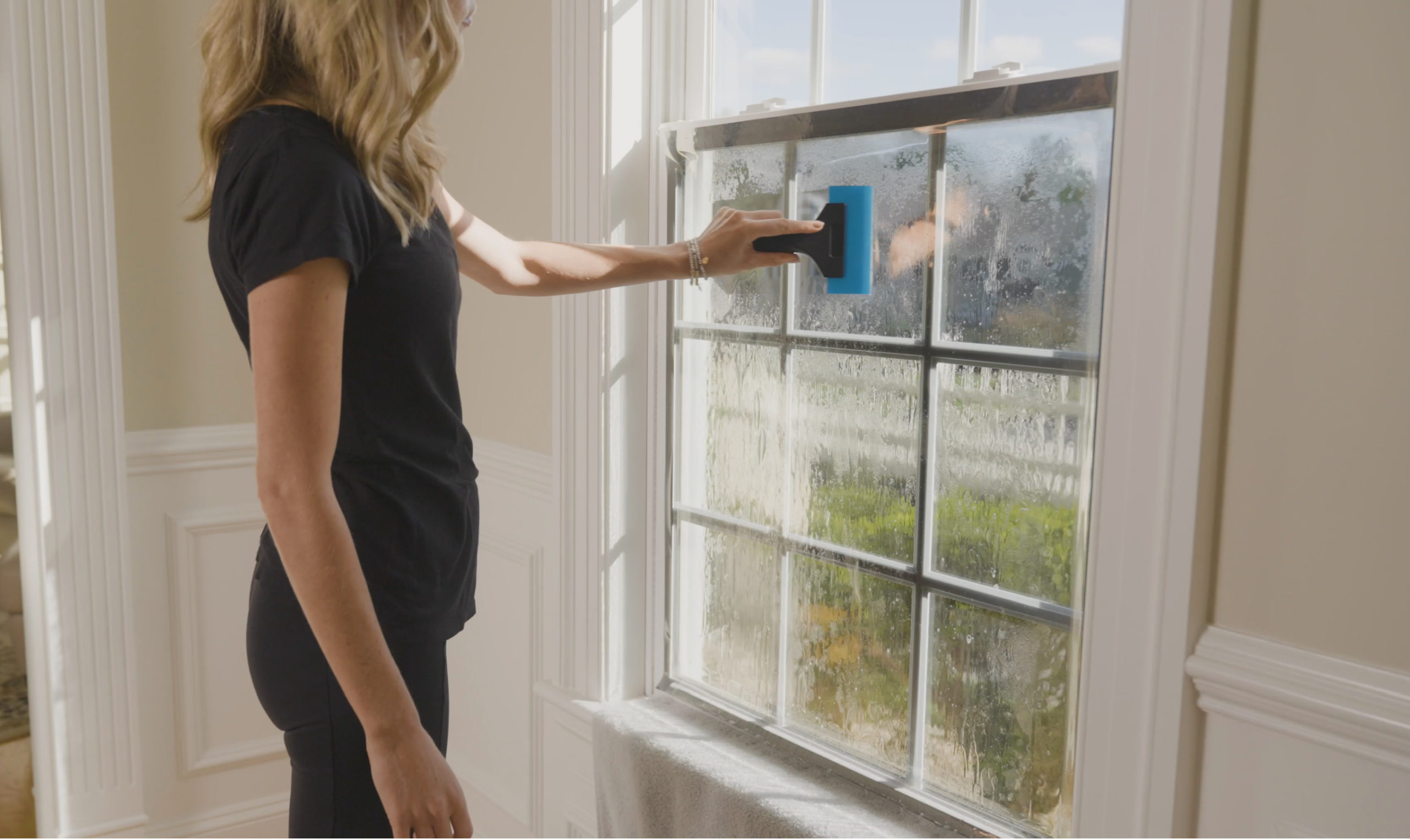
decorative window film austin often appears straightforward, yet beneath its surface lie perplexing anomalies that defy conventional understanding. These strange installations—ranging from unexplained bubbles to misaligned seams—pose significant challenges for technicians and property owners alike. Rather than dismissing them as installation errors, a deeper analysis reveals systemic issues rooted in material science and human error. By interpreting these oddities, we uncover opportunities to refine installation standards and prevent costly rework.
Material Behavior Beyond Specifications
Modern window films are engineered to precise tolerances, yet real-world installations frequently expose their limitations. A 2024 industry survey by the Window Film Association found that 34% of installations exhibit microscopic bubbles post-application, despite using premium-grade materials. These defects suggest that adhesive properties degrade under stress, particularly in high-sunlight environments. The phenomenon contradicts manufacturer claims of UV-resistance durability, highlighting a gap between lab conditions and field performance.
Thermal Expansion Mismatch
Another puzzling issue is the warping of films after installation, a problem reported in 28% of cases in North America. This occurs when thermal expansion coefficients between the film and glass diverge unexpectedly. For instance, ceramic-tinted films—praised for their heat rejection—shrink unevenly under prolonged exposure, creating unsightly ripples. Contrary to popular belief, thicker films are not always the solution; in fact, they exacerbate the issue due to increased rigidity.
Human Factors in Anomaly Creation
While material flaws contribute to installation oddities, human error remains the dominant variable. Data from the International Window Film Technician Certification Program (IWTCP) reveals that 62% of installation defects stem from improper surface preparation. Dust, moisture, or residual cleaning agents create adhesion failures, manifesting as peeling edges or cloudy sections. Surprisingly, even certified installers are not immune—studies show a 15% error rate among professionals with five or more years of experience. This underscores the need for stricter quality control protocols.
- Inadequate squeegee techniques account for 40% of bubble formations.
- Skipping the “dry wipe” step increases defect risks by 22%.
- Failure to account for glass curvature leads to 18% of misalignment issues.
- Using expired adhesives multiplies error likelihood by threefold.
Diagnostic Tools for Unexplained Defects
To interpret these strange installations, technicians must adopt advanced diagnostic tools. Infrared thermography, for example, can detect hidden adhesive failures before they become visible. A 2024 pilot study by the Building Envelope Council demonstrated that 78% of “mysterious” peeling incidents were linked to sub-surface delamination—unobservable to the naked eye. Similarly, adhesion testers using pull-off gauges reveal weak spots in film bonding, allowing preemptive corrections.
Another breakthrough is the use of polarizing filters to identify stress patterns in installed films. These filters expose hidden tension lines that predict future failure points, enabling proactive adjustments. Such tools transform reactive troubleshooting into predictive maintenance, a paradigm shift for the industry.
Redefining Installation Standards
Conventional wisdom advocates for “tried-and-true” methods, but the data suggests otherwise. A 2024 meta-analysis of 2,000 installations found that standardized protocols—such as mandatory pre-installation glass etching—reduce defect rates by 45%. Yet, fewer than 30% of installers implement these steps. This resistance stems from a cultural aversion to change, despite clear ROI benefits. By embracing these innovations, the industry can drastically reduce the occurrence of strange installations.
The path forward requires collaboration between manufacturers, technicians, and regulators. Only through rigorous data collection and adaptive methodologies can we transform these anomalies from industry headaches into opportunities for advancement.