Category: Health & Fitness

Best Diagnostic Center in Karachi for Routine and Specialized TestsBest Diagnostic Center in Karachi for Routine and Specialized Tests


1. Importance of Choosing the Right Diagnostic Center

Choosing the right diagnostic center directly affects your healthcare quality. Accurate test results allow doctors to diagnose conditions early and plan effective treatment. In Karachi, where medical facilities vary in reliability, selecting a trusted diagnostic center is essential. A professional center ensures correct sample collection, proper handling, and precise analysis. Routine tests such as blood count, urine analysis, and liver function require consistency to track your health over time. Specialized tests, including hormonal assays, cardiac markers, and imaging studies, demand advanced equipment and trained staff. Errors in these tests can lead to misdiagnosis or delayed treatment. By choosing a reputable diagnostic center, you safeguard your health and support your doctor with reliable information. Regular monitoring through such a center helps in early detection of chronic conditions like diabetes, hypertension, and thyroid disorders. Accuracy, efficiency, and trust form the foundation of quality healthcare services in Karachi Best Lab in Karachi.

2. Quality Standards and Certifications

The quality of a diagnostic center is determined by its adherence to standards and certifications. A top center in Karachi follows national and international quality guidelines. Internal quality control checks ensure each test produces accurate results every day. External quality assessment programs verify that results match those from other certified laboratories. Laboratories with recognized certifications undergo regular audits and staff training to maintain accuracy. Skilled technologists reduce the risk of sample contamination and reporting errors. Standard operating procedures cover every step, from patient registration to report delivery. Hygiene, proper waste disposal, and safety protocols are integral to prevent infections and environmental harm. By choosing a certified diagnostic center, you ensure that every test result is reliable. You gain confidence that your healthcare decisions are based on precise data. Quality standards in a diagnostic center protect both your health and the integrity of the testing process.

3. Advanced Technology and Expertise

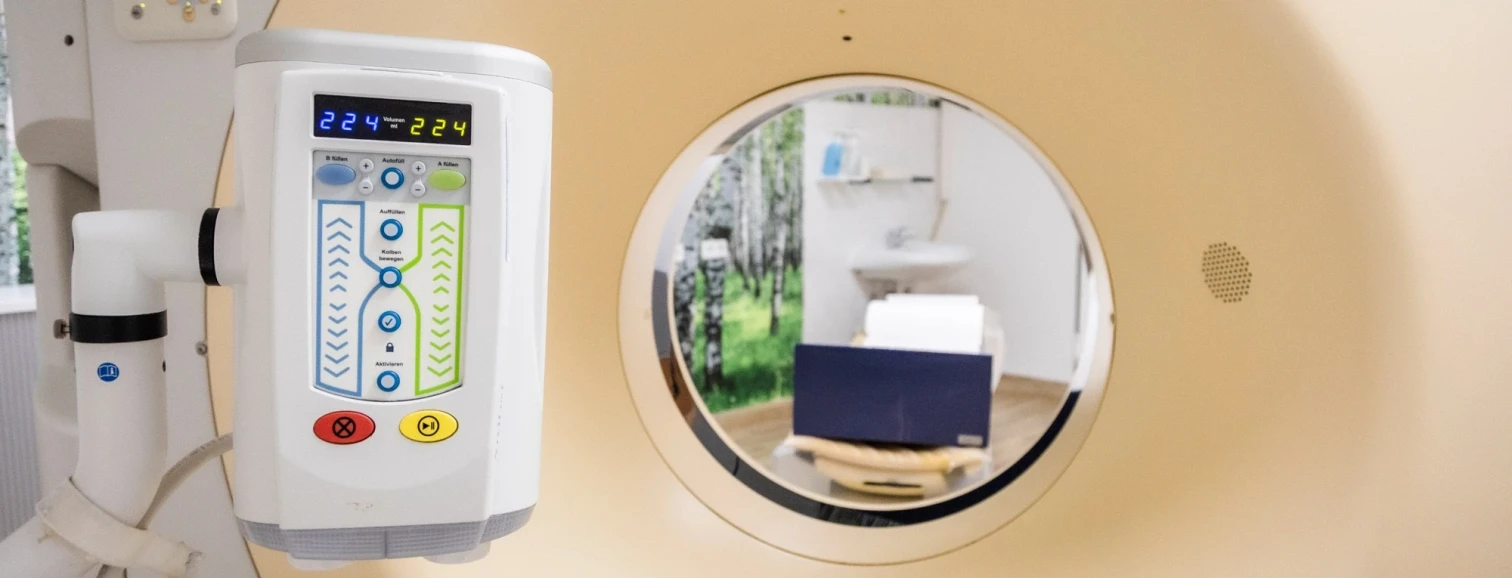
Modern diagnostic centers invest in advanced technology for precise results. Automated analyzers, digital imaging, and molecular testing equipment reduce manual errors and provide faster results. Routine tests are processed efficiently, while specialized tests such as MRI, CT scans, and genetic testing require sophisticated equipment. Trained professionals interpret these results accurately. Pathologists and technologists with expertise ensure abnormal findings are correctly identified. For example, proper handling of blood samples or imaging procedures affects diagnosis and treatment planning. Continuous staff training keeps the team updated on the latest testing methods. A combination of advanced technology and expert staff ensures reliability, reduces waiting time, and supports timely medical decisions. In Karachi, where patients seek prompt and accurate care, centers that invest in both tools and expertise stand out. Backup systems and emergency protocols further enhance reliability during equipment downtime or high patient load.

4. Patient-Centered Services and Transparent Reporting

A high-quality diagnostic center prioritizes patient experience. Clear instructions about test preparation reduce invalid samples and errors. For example, fasting before a blood sugar test ensures accuracy. Transparent reporting uses clear units, reference ranges, and digital access options for convenience. Patients can view results online or on mobile devices, supporting follow-up consultations. Privacy of medical records is strictly maintained through secure systems. Services such as appointment scheduling, home sample collection, and efficient waiting areas improve accessibility. Patient-centered care matters for individuals with chronic conditions, families, and elderly patients. Staff professionalism, friendliness, and communication foster trust. Reliable reporting and convenient services encourage regular health monitoring and help patients take timely action for their well-being.

5. Why Choosing the Best Diagnostic Center in Karachi Matters

Your choice of diagnostic center impacts every stage of your healthcare journey. Accurate results guide proper treatment and ongoing monitoring. In Karachi, centers vary in equipment, expertise, and reliability. Choosing one with experience, certifications, and strong quality control ensures dependable results. Observing cleanliness, staff professionalism, and turnaround time signals reliability. Reliable centers become partners in preventive care and early disease detection. Early detection improves outcomes for conditions such as hypertension, cardiovascular diseases, and metabolic disorders. By selecting the best diagnostic center, you invest in quality healthcare, accurate diagnosis, and better treatment decisions. This choice ensures your health is supported with precision, safety, and transparency, providing long-term benefits for you and your family.

Leading Pathology Lab in Karachi with Advanced TechnologyLeading Pathology Lab in Karachi with Advanced Technology


1. The Importance of a Modern Pathology Lab in Karachi

A modern pathology lab in Karachi plays a vital role in healthcare. You rely on accurate test results for diagnosis and treatment planning. A leading lab ensures precision, speed, and reliability. It processes blood, urine, tissue, and molecular samples daily. Each sample follows a structured workflow. Trained staff collect, verify, and log patient data into a laboratory information system. This system tracks the sample from collection to report, reducing errors. Karachi’s large population increases demand for diagnostic services. Leading labs manage this through automation and capacity planning. High-throughput analyzers handle multiple samples efficiently while maintaining accuracy. Internal quality checks run with every batch, and external assessments verify performance against standards. Turnaround time is critical. Routine tests deliver results within hours, and emergency samples reach clinicians quickly. Clear communication supports patient care. Laboratories provide interpretation notes for abnormal results, helping doctors make informed decisions. Compliance with regulatory standards ensures proper documentation and audit readiness. These factors define a reliable pathology lab environment in Karachi Best Lab in Karachi.

2. Advanced Technology and Automation in Diagnostics

Advanced technology enhances diagnostic performance. You benefit when a lab invests in modern analyzers and digital systems. Automated chemistry analyzers process hundreds of samples per hour with high precision. Hematology analyzers provide complete blood counts and flag abnormal cells. Immunoassay platforms detect hormones, tumor markers, and infectious disease antigens with sensitivity. Molecular diagnostics, including real-time polymerase chain reaction, identify genetic material from pathogens for early detection and monitoring. Automation reduces manual handling and human error. Barcoded samples move through connected instruments, and middleware software validates results automatically. Only flagged results require manual review. Digital integration accelerates reporting. Clinicians access results through secure portals, and patients can view reports via mobile apps. Data security is critical, with encrypted systems and controlled access. Backup servers protect data integrity. Equipment maintenance follows strict schedules, including calibration and preventive checks. Staff training ensures proper use of advanced platforms. Competency assessments confirm accuracy. Skilled professionals combined with technology improve diagnostic reliability and patient care.

3. Quality Control, Accuracy, and Patient Safety

Accuracy is essential in pathology. You depend on precise results for health decisions. Leading labs enforce strict quality control. Each test run includes control samples with known values. Any deviation triggers investigation and halts reporting until resolved. Pre-analytical quality is equally important. Proper sample collection prevents contamination or hemolysis. Clear instructions guide phlebotomists, and correct tube selection preserves analytes. Timely transport maintains sample stability. Analytical quality relies on validated methods. Labs verify accuracy, precision, and linearity before offering tests. Post-analytical quality includes review by qualified pathologists and clinical scientists. Abnormal results are correlated with clinical context. Critical values trigger immediate alerts to clinicians. Documentation ensures traceability. Each step is recorded for audits and continuous improvement. Incident reporting captures near misses and guides updates to procedures. Patient identification uses two unique identifiers to reduce risk. Disciplined quality systems protect patient safety and ensure dependable results in Karachi.

4. Skilled Professionals and Continuous Training

Technology alone does not guarantee quality. Skilled professionals deliver reliable results. Pathologists provide diagnostic oversight and clinical interpretation. Medical technologists operate instruments and validate outputs. Phlebotomists ensure safe and comfortable sample collection. Certification and experience are required for all staff. Continuous training keeps skills up-to-date. Labs conduct workshops on new tests and updated protocols. Competency checks evaluate knowledge and technique. Performance metrics track errors and turnaround times. Feedback supports improvement. Laboratory teams collaborate with clinicians to optimize test selection and interpretation. This reduces unnecessary tests and improves diagnostic outcomes. Ethical practice protects patient confidentiality and ensures proper consent. Adequate staffing prevents fatigue and maintains focus. Leadership provides clear protocols and accountability. Root cause analysis resolves problems when they occur. Skilled professionals with proper training ensure advanced technology produces accurate results for patients.

5. Patient-Focused Services and Future Preparedness

Leading pathology labs prioritize patient needs. Convenient locations and extended hours improve accessibility. Appointment systems reduce waiting times. Sample collection follows infection control standards. Reports are clear, include reference ranges, and provide explanatory notes for better understanding. Customer support guides patients on preparation, test selection, and result access. Transparent pricing builds trust, and insurance coordination reduces administrative burden. Community health initiatives, including screening programs, help detect diseases early. Future preparedness includes planning for emerging pathogens and new diagnostic biomarkers. Labs evaluate new assays before implementation. Digital pathology and artificial intelligence tools assist in pattern recognition and workload management, with validation before clinical use. Sustainability is emphasized through efficient energy use and proper waste management. Patient-focused services combined with advanced technology and forward planning ensure a leading pathology lab in Karachi supports healthcare needs today and prepares for tomorrow.

Gas Medis: “Jantung Tak Terlihat” dalam Operasional Rumah Sakit dan Fasilitas MedisGas Medis: “Jantung Tak Terlihat” dalam Operasional Rumah Sakit dan Fasilitas Medis


Gas medis adalah salah satu elemen paling krusial dalam sistem kesehatan modern, meskipun keberadaannya seringkali tidak terlihat secara langsung oleh pasien maupun pengunjung rumah sakit. Dalam banyak fasilitas medis, gas medis berfungsi sebagai “jantung tak terlihat” yang menopang berbagai prosedur kritis, mulai dari operasi hingga perawatan intensif. Tanpa pengelolaan gas medis yang tepat, kualitas layanan kesehatan bisa terganggu, bahkan membahayakan keselamatan pasien.

Apa Itu Gas Medis?

instalasi gas laboratorium adalah gas yang diproduksi, didistribusikan, dan digunakan khusus untuk tujuan medis. Contohnya termasuk oksigen (O₂), nitrous oksida (N₂O), karbon dioksida (CO₂) medis, dan udara medis terkompresi. Setiap gas memiliki fungsi spesifik: oksigen digunakan untuk terapi pernapasan dan resusitasi, nitrous oksida berperan sebagai anestesi, sedangkan karbon dioksida medis digunakan dalam prosedur laparoskopi.

Gas medis harus memenuhi standar kualitas tinggi agar aman digunakan. Perbedaan antara gas industri dan gas medis sangat signifikan; gas medis harus bebas kontaminan, steril, dan disimpan dalam sistem yang sesuai agar tidak menimbulkan risiko bagi pasien maupun tenaga medis.

Sistem Distribusi Gas Medis di Rumah Sakit

Sistem distribusi gas medis di rumah sakit dirancang dengan prinsip keamanan dan kontinuitas pasokan. Gas dikirim dari tangki atau generator ke berbagai bagian rumah sakit melalui pipa khusus, yang dikenal sebagai Medical Gas Pipeline System (MGPS). Sistem ini mencakup pipa, regulator, alarm tekanan, dan outlet di kamar pasien atau ruang operasi.

Salah satu aspek penting dalam pengelolaan gas medis adalah pemantauan tekanan dan kualitas gas secara real-time. Rumah sakit modern biasanya dilengkapi dengan sensor otomatis dan sistem alarm yang memberi peringatan dini jika tekanan gas turun atau kontaminan terdeteksi. Hal ini memastikan prosedur medis tidak terganggu, terutama dalam kondisi darurat seperti operasi jantung atau resusitasi neonatal.

Peran Gas Medis dalam Operasional Rumah Sakit

Gas medis memainkan peran fundamental dalam berbagai prosedur kritis:

  1. Terapi Respirasi: Pasien dengan gangguan pernapasan atau gagal paru-paru bergantung pada oksigen murni. Tanpa suplai oksigen yang stabil, risiko komplikasi medis meningkat drastis.

  2. Anestesi: Nitrous oksida dan campuran gas anestesi lainnya memungkinkan prosedur operasi dilakukan tanpa rasa sakit dan aman. Ketersediaan gas anestesi yang tepat memengaruhi keselamatan pasien selama operasi.

  3. Prosedur Khusus: Karbon dioksida medis digunakan dalam prosedur laparoskopi, sedangkan udara medis bertekanan digunakan dalam ventilator untuk pasien ICU.

  4. Keadaan Darurat: Dalam unit gawat darurat dan ambulans, oksigen dan obat-obatan gas seringkali menjadi penyelamat nyawa pertama sebelum intervensi medis lebih lanjut.

Tantangan Pengelolaan Gas Medis

Meskipun penting, pengelolaan gas medis menghadapi berbagai tantangan, termasuk:

  • Keamanan Sistem Pipa: Kebocoran gas dapat menyebabkan risiko kebakaran atau keracunan.

  • Ketersediaan Pasokan: Gangguan pasokan oksigen, misalnya selama pandemi atau bencana alam, dapat berdampak luas pada perawatan pasien.

  • Pelatihan Tenaga Medis: Staf rumah sakit harus memahami cara menggunakan dan menangani gas medis dengan aman, termasuk prosedur darurat.

Kesimpulan

Gas medis memang jarang terlihat, tetapi keberadaannya adalah “jantung tak terlihat” yang menjaga fungsi rumah sakit tetap berjalan lancar. Dari terapi pernapasan hingga operasi kompleks, setiap tindakan medis modern sangat bergantung pada keberlanjutan dan keamanan suplai gas ini. Oleh karena itu, investasi dalam infrastruktur, pemantauan kualitas, dan pelatihan tenaga medis merupakan prioritas utama untuk menjaga keselamatan pasien dan efektivitas operasional fasilitas medis.

Gas medis bukan hanya sekadar tabung atau pipa di rumah sakit; ia adalah elemen vital yang mendukung kehidupan dan kesehatan jutaan pasien setiap hari. Memahami perannya membantu masyarakat menghargai kompleksitas operasional rumah sakit yang sering tersembunyi dari pandangan mata.

Custom Fit Tailoring Your Fitness Journey with Personal TrainingCustom Fit Tailoring Your Fitness Journey with Personal Training

| | 0 Comments| 12:01 am


Embarking on a fitness journey is a deeply personal experience, and one-size-fits-all approaches often fall short when it comes to achieving lasting results. Whether you’re aiming to lose weight, build muscle, increase flexibility, or simply feel more energized, the key to success lies in finding a fitness plan that is uniquely tailored to your body, your goals, and your lifestyle. This is where personal training comes into play—offering expert guidance, personalized workouts, and continuous support to help you unlock your full potential Health Treatment Centers.

In this article, we’ll explore the benefits of working with a personal trainer and how customizing your fitness routine can help you reach your goals faster, more effectively, and with a greater sense of empowerment.

The Power of Personalization in Fitness

Fitness isn’t a one-size-fits-all endeavor. Each individual has different goals, abilities, and limitations that require a customized approach. While general workout routines can offer some benefits, they don’t account for your unique needs, such as your current fitness level, body composition, or any injuries or conditions you may have. This is where personal training excels.

Why Custom Fit Matters:

  • Individual Attention: A personal trainer works with you one-on-one, focusing solely on your needs. Whether you’re new to exercise or an experienced athlete, a trainer can create a plan that aligns with your goals.

  • Tailored Workouts: Instead of following a generic program, your workouts are designed specifically for your body. This helps prevent injury, ensures proper technique, and maximizes results.

  • Accountability: A personal trainer provides the motivation and encouragement you need to push through tough workouts and stay committed to your goals.

  • Efficiency: With a customized plan, you get more out of every workout. Personal training helps you use your time efficiently, focusing on the exercises that will benefit you the most.

By personalizing your fitness plan, you ensure that every move you make is purposeful and aligned with your unique needs.

Step 1: Defining Your Goals and Assessing Your Needs

The first step in any personalized fitness plan is to clearly define your goals. Are you training for a marathon? Trying to shed a few pounds? Or maybe you’re looking to gain strength and increase muscle mass? Whatever your goal may be, it’s essential to be specific and realistic.

Setting Clear, Achievable Goals:

  • Short-Term vs. Long-Term Goals: Break your larger fitness goals into smaller, more manageable milestones. Short-term goals might include increasing endurance or perfecting your squat form, while long-term goals could focus on significant body composition changes or competing in an event.

  • Understanding Your Body: A good personal trainer will assess your current fitness level, take into account any injuries or medical conditions, and help you understand your strengths and areas for improvement.

By clearly defining your goals, you and your trainer can create a structured, results-oriented plan that will guide you every step of the way.

Step 2: The Benefits of a Tailored Workout Plan

Once your goals are defined, a personal trainer will design a workout plan that is tailored specifically to you. This means selecting exercises that align with your fitness level, preferences, and goals—ensuring that every workout brings you closer to where you want to be.

Customizing Your Routine:

  • Strength Training: If building muscle is your goal, a personal trainer will incorporate compound lifts like squats, deadlifts, and presses to stimulate muscle growth. They’ll also vary the weight, sets, and reps to ensure progress over time.

  • Cardiovascular Conditioning: For weight loss or endurance training, your trainer may suggest interval training, cycling, or high-intensity cardio to maximize fat burning and improve cardiovascular health.

  • Flexibility and Mobility: A well-rounded fitness plan includes stretching, yoga, or mobility exercises to improve flexibility, reduce muscle tightness, and prevent injury.

  • Variety and Progression: One of the biggest mistakes people make when working out on their own is stagnation. Personal trainers ensure that your workouts progress over time, preventing plateaus by continuously introducing new exercises, increasing intensity, and challenging your body in different ways.

Each workout is built with a purpose, taking into account your body’s needs and your personal goals. With a customized approach, you’re far more likely to see real, measurable results.

Step 3: Accountability and Motivation—The Trainer’s Role

Consistency is key when it comes to fitness. Unfortunately, many people struggle to stay motivated, especially when faced with setbacks, busy schedules, or plateaus. A personal trainer helps bridge that gap by holding you accountable and providing the encouragement you need to keep going.

How Personal Training Boosts Motivation:

  • Regular Check-Ins: Personal trainers track your progress, whether it’s through weekly assessments or simple goal-setting conversations. This not only keeps you on track but also provides opportunities to adjust your plan as needed.

  • Ongoing Support: Personal trainers are there to cheer you on through every tough set, every rep, and every challenge. Their support helps you push through limits you didn’t think were possible.

  • Structured Progress: Instead of feeling lost or unsure about your next step, a personal trainer provides clear direction and helps you navigate through challenges with confidence. They celebrate your successes with you, which can be a huge boost to your motivation.

With someone there to guide you, cheer you on, and hold you accountable, you’re much more likely to stick with your routine and achieve lasting results.

Step 4: Correcting Form and Preventing Injuries

One of the biggest advantages of working with a personal trainer is their expertise in form and technique. Incorrect form can lead to injuries, slow progress, or even worse, long-term damage. A personal trainer ensures that you’re performing exercises correctly, which maximizes effectiveness and minimizes the risk of injury.

Form Is Everything:

  • Proper Technique: Your trainer will provide hands-on corrections, ensuring that you’re performing exercises with proper form, especially when lifting weights or performing high-intensity movements.

  • Injury Prevention: If you have previous injuries or experience discomfort during certain exercises, a personal trainer will modify movements to suit your needs, helping you avoid reinjury and allowing you to progress safely.

  • Adaptation to Your Body: Whether it’s due to posture issues, flexibility limitations, or muscle imbalances, a personal trainer will create modifications to address your specific body mechanics and movement patterns.

With the right guidance, you’ll not only achieve better results but also keep your body safe and healthy in the long run.

Step 5: Long-Term Success—Sustainability and Lifestyle Changes

A good personal trainer helps you build sustainable habits that last beyond the gym. It’s not just about the time you spend working out; it’s about creating a fitness routine that fits seamlessly into your lifestyle. A trainer will help you set realistic expectations and develop strategies to make fitness an integral part of your daily routine.

Building Healthy Habits:

  • Nutrition Advice: Personal trainers often offer guidance on nutrition, helping you understand how to fuel your body to support your workouts and recovery. They can help you find a balance that fits your lifestyle and goals.

  • Consistency: Through your customized workout plan, you’ll develop a routine that works for your schedule. Whether it’s a busy career or family commitments, a personal trainer helps you stay consistent without feeling overwhelmed.

Conclusion: A Fitness Journey Made for You

Your fitness journey is personal, and working with a personal trainer allows you to tailor that journey to your unique needs, goals, and lifestyle. With customized workouts, expert guidance, and constant motivation, personal training ensures that you not only reach your goals but do so safely and effectively. By prioritizing form, progress, and consistency, you’ll be on a path to lasting success and a stronger, healthier version of yourself.

Ready to take your fitness journey to the next level? The first step starts with a plan made just for you.

Scalp Micropigmentation: The Future of Hair Loss SolutionsScalp Micropigmentation: The Future of Hair Loss Solutions


Hair loss can feel like a roadblock to self-confidence, but advancements in cosmetic procedures have paved the way for innovative solutions. Scalp Micropigmentation (SMP) is leading the charge as a cutting-edge treatment designed to restore the appearance of hair naturally and effectively. It’s changing lives, one follicle at a time.

What is SMP and How Does It Work?

SMP is a non-surgical cosmetic procedure that uses specialized pigments to replicate the look of natural hair follicles. Skilled practitioners use micro-needles to implant these pigments into the scalp, creating a seamless and realistic appearance. Whether you’re seeking to restore a hairline, add density, or conceal scars, SMP offers a personalized solution.

Benefits of Scalp Micropigmentation

Why is SMP considered the future of hair loss solutions? Here are some standout benefits:

  • Non-Invasive: No surgery, no scarring, and no downtime.
  • Quick Results: Immediate improvements after the first session, with full transformation after a few treatments.
  • Customizable: Treatments are tailored to match each client’s unique needs and preferences.
  • Durable: SMP results last for years with minimal maintenance.

Why Choose Ohio SMP Studio?

Ohio SMP Studio is a trusted name in Scalp Micropigmentation, thanks to the expertise of Clayton Rush and Kellie Looney. With decades of experience in the hair and beauty industry, they deliver unparalleled results that enhance their clients’ confidence and appearance. Their dedication to quality ensures every client achieves their desired outcome.

Who is SMP For?

SMP is a versatile solution for individuals experiencing:

  • Thinning hair
  • Receding hairlines
  • Bald patches
  • Scars from previous hair transplants
  • Hair loss due to conditions like alopecia

No matter your specific situation, SMP provides a natural and effective solution.

Begin Your Transformation

If you’re in the Kent, OH area, Ohio SMP Studio is your go-to destination for professional Scalp Micropigmentation services. With their skilled team and personalized approach, you can trust Ohio SMP Studio to deliver results that exceed your expectations. Contact them today to schedule your consultation and take the first step toward a more confident you.